

March 11, 2026
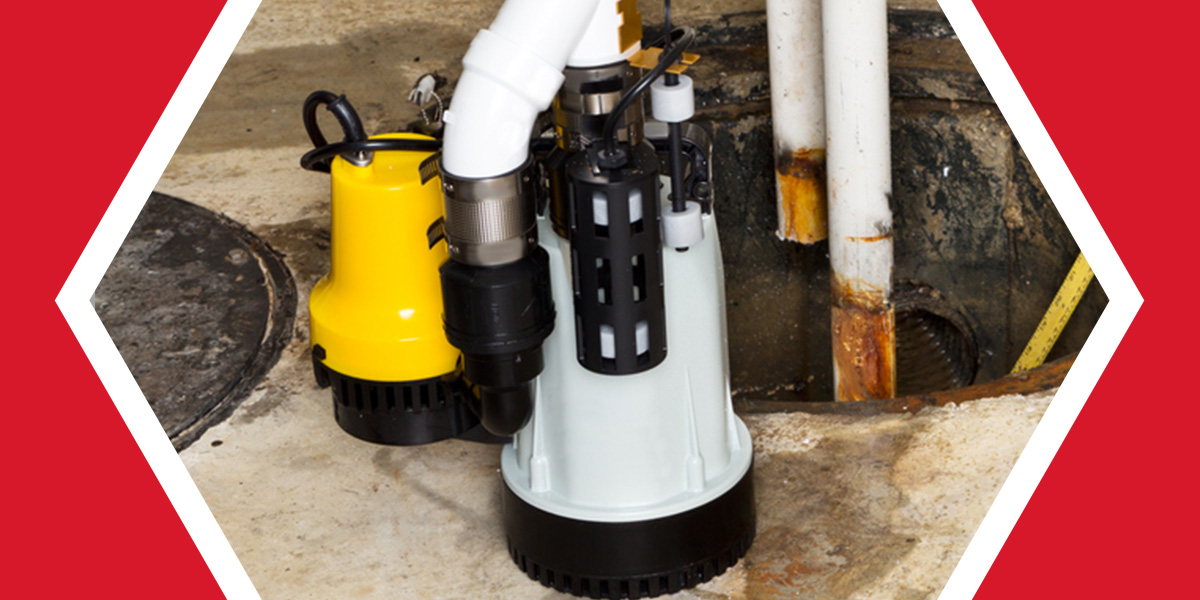
A sump pump protects your property by removing groundwater before it causes damage. It activates automatically to keep water from entering areas where it does not belong.
In North Carolina, heavy rainstorms are becoming more frequent and intense. When that rain hits clay-heavy soil, problems escalate quickly. Clay drains slowly, holding moisture. Once saturated, it pushes water sideways and upward, often toward basements, crawl spaces and slab foundations.
Water intrusion can damage flooring, drywall, electrical systems and inventory in a matter of hours. A professionally designed sump pump system reduces this risk by controlling groundwater before it reaches occupied space.
What Is a Sump Pump Used For?
As water accumulates in the soil around your property, it flows to the lowest available point. The main purpose of a sump pump is to capture that water in a basin and remove it before pressure builds against the foundation. This process protects both structural components and indoor air quality. The system:
- Helps prevent acute flooding during heavy rain or rapid ground saturation
- Reduces foundation pressure that leads to cracks and movement
- Controls chronic dampness that contributes to mold growth
The Environmental Protection Agency (EPA) identifies moisture as the most important factor influencing indoor mold problems. By keeping groundwater under control, sump pumps support healthier indoor environments and help preserve property value in the long term.
How Does a Sump Pump Work?
A sump pump system relies on several mechanical components working together. Each part serves a specific purpose, and system performance depends on how well those parts integrate. Understanding the basics helps property owners recognize why proper installation and maintenance matter.
The Sump Pit
A sump pit is the basin installed below floor level, typically at the lowest point of a basement or crawl space. Groundwater flows into this pit through perimeter drains or surrounding soil. The pit provides a dedicated area for water to collect, preventing it from spreading across the floor.
Without a properly sized and positioned outlet, water has nowhere to go. This increases the chance of seepage through cracks or joints in the foundation.
The Float Switch
The float switch monitors water levels inside the pit. As water rises, the float rises with it. When water reaches a preset height, the switch signals the pump to turn on.
When the water drops, the float lowers and the pump shuts off, allowing automatic response without constant operation.
The Impeller and Motor
The motor powers the impeller, the component that moves the water. When activated, the impeller spins and pulls water into the pump housing. The water goes into the discharge line under pressure.
Motor strength and impeller design determine how quickly water can be moved. Homes and commercial buildings with higher water volumes often need pumps with greater horsepower and capacity.
The Check Valve
The check valve is installed on the discharge pipe. Its role is to prevent water from flowing backward into the pump after the pump shuts off. Without a check valve, gravity would send discharged water straight back down, forcing the pump to keep cycling.
This component reduces water on the motor and improves overall system efficiency.
The Discharge Pipe
The discharge pipe carries water from the pump to the building’s exterior. Proper routing is critical. Water must be released far enough from the foundation to prevent reabsorption into the surrounding soil.
Local building codes often specify discharge distance and direction. Incorrect placement can undermine the entire system.
What Maintenance Is Essential for Long-Term Reliability?
Sump pumps are dependable when they are properly maintained. The basic cleaning and maintenance can be safely done by most property owners, and should include:
- Keeping the pump debris-free: Dirt and sediment can clog the impeller and reduce pumping capacity. Clean the pump regularly, especially after a major storm, to keep the discharge outlet unobstructed.
- Freeing the float: The float should move freely without obstruction. Ensure it is not tangled or jammed in one position, which could cause it to fail to sense when it should turn on and off.
- Testing the pump: Pour water into the pump to see if it activates and expels water. Listen for unusual noises or vibrations, which may signal wear or debris. Avoid reaching into the pit during testing — use a nonconductive item to reach it.
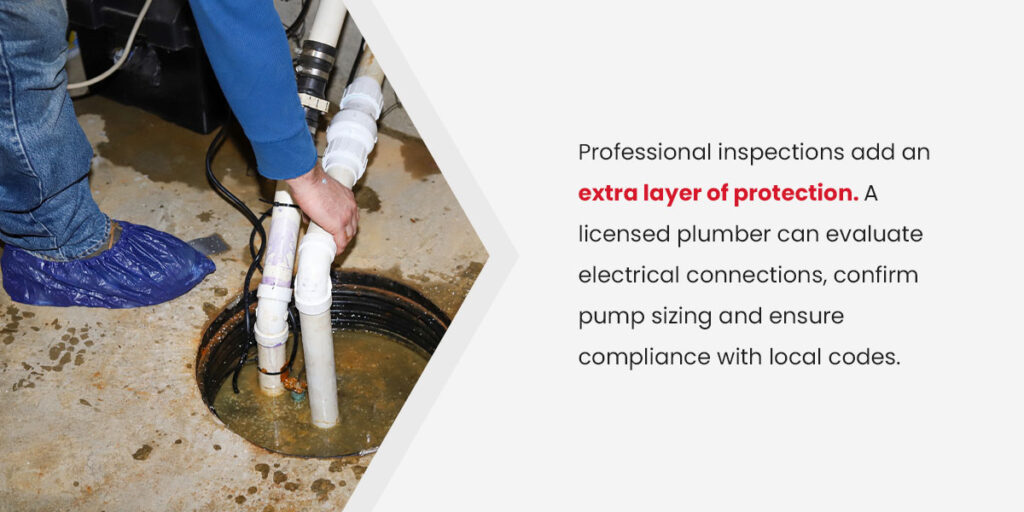
Professional inspections add an extra layer of protection. A licensed plumber can evaluate electrical connections, confirm pump sizing and ensure compliance with local codes. They can also assess backup options, which are especially important during power outages caused by storms.
Does Your Home Need a Sump Pump?
Even without a history of flooding, properties may be at risk—often without visible warning. A sump pump is necessary for properties meeting any of these conditions:
- Basement or crawl space below ground level
- Clay-heavy or slow-draining soil
- Persistent dampness or musty odors
- Cracks in the foundation walls or floors
- Frequent heavy rainfall in the areas
- Location near streams, slopes or low-lying terrain
Choose Enduric Plumbing Services Inc. for Sump Pump Maintenance Needs
A sump pump is a safeguard for your building, belongings and peace of mind. This protection only works when the system is properly installed and maintained. When one part of the sump pump system fails or is improperly installed, basements can still flood. That is why professional design and installation are so important.
At Enduric Plumbing Services, Inc., we understand local conditions because we are a locally owned and managed plumbing company serving the triad. North Carolina’s rainfall patterns, soil behaviors and building codes require region-specific solutions. Our licensed plumbers design sump pump systems tailored to your property’s needs. We provide residential and commercial installations, inspections, maintenance and replacements. Enduric is bonded and insured, with warranties on our labor and any materials we purchase.
Contact us today to schedule a professional sump pump assessment and protect your property before the next heavy rain.