

March 12, 2026
A leaky faucet that drips one drop per second wastes up to 3,000 gallons of water per year — it’s safe to say that a dripping faucet can grab your attention. The sound can echo through a quiet room, reminding you of wasted water and higher utility bills. The good news is that you can solve the problem yourself. With the right tools and a little guidance, you can stop that constant drip and restore peace to your kitchen or bathroom sooner.
The process for repairing a leaking faucet may vary depending on the type of faucet and sink. This guide will inform you how to fix a leaky faucet for most standard repairs.
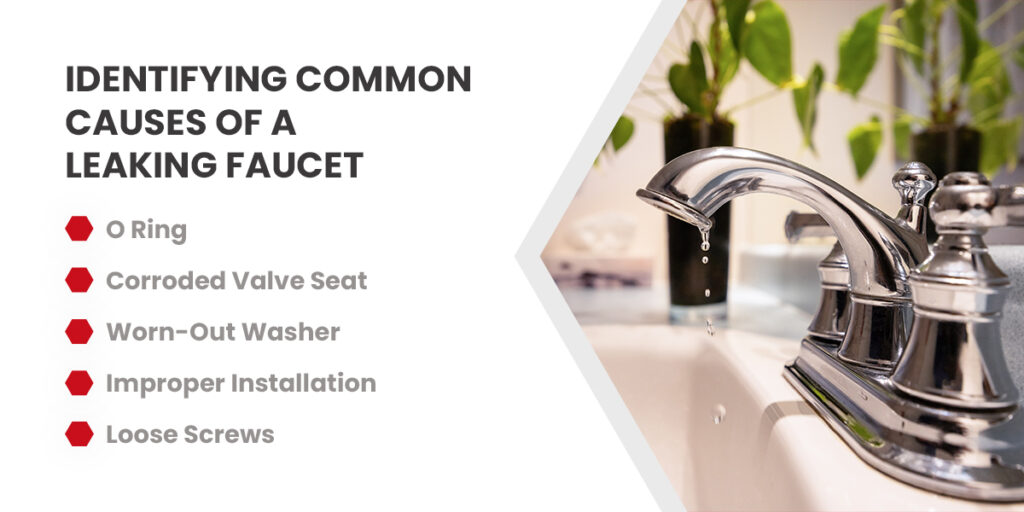
Identifying Common Causes of a Leaking Faucet
Below are several common issues that cause faucets to leak:
O Ring
An O-ring is a gasket used to seal the connection between parts. O-ring issues occur in faucets with cartridges. The O-ring can become loose or corrode over time. If an O-ring is damaged, there will most likely be a noticeable leak around the handle or through the spout.
Corroded Valve Seat
Valve seats are the surfaces that press against the cartridge, allowing the water to stop. These seats can be made out of rubber or brass and tend to wear over time with use. Determine which type of seat you have and replace it with the manufacturer-specified seat. There are generic universal seats available, but it is always best to use manufacturer-specific parts.
Worn-Out Washer
Some faucets use bib washers attached to the bottom of the cartridge rather than seats located in the valve body. Similar to the seats, these washers can wear over time with use. To replace the washer, you must remove the cartridge and determine its size, then replace the washer and reinstall the cartridge.
Improper Installation
When faucets are not installed according to the manufacturer’s specifications, they will not operate as intended. If you have a newly installed faucet and are noticing a leak, read through the supplied instructions and determine if it was an installation error or a faulty product. Most reputable brands have lifetime warranties and will replace a product with a manufacturer’s defect.
Loose Screws
Some faucets use screws to hold the cartridge in place or hold the bib washers to the cartridge. A loose screw can prevent parts from seating properly, allowing water to pass through them. Ensure there is no further damage before tightening a screw back down and reassembling the faucet.
First Steps: Tools and Preparation
Every successful DIY leaky faucet repair begins with preparation. Having the right tools ready and setting up your space properly ensures a smooth process from start to finish. Here’s how to stop a dripping faucet:
- Gather essential tools: Get an adjustable wrench, flathead and Phillips screwdrivers, pliers, and replacement parts specific to the type of faucet you own.
- Turn off the water supply: Find the shut off valves under your sink and close them to prevent water from flowing and flooding while you work.
- Plug the drain: Place a cloth or small stopper over the sink drain to keep tiny screws and washers from slipping out of reach.
- Have replacement parts ready: Seat washers, cartridges, O-rings or repair kits are often available at your local hardware store.
Taking time to prepare sets you up for success and avoids unnecessary frustration.
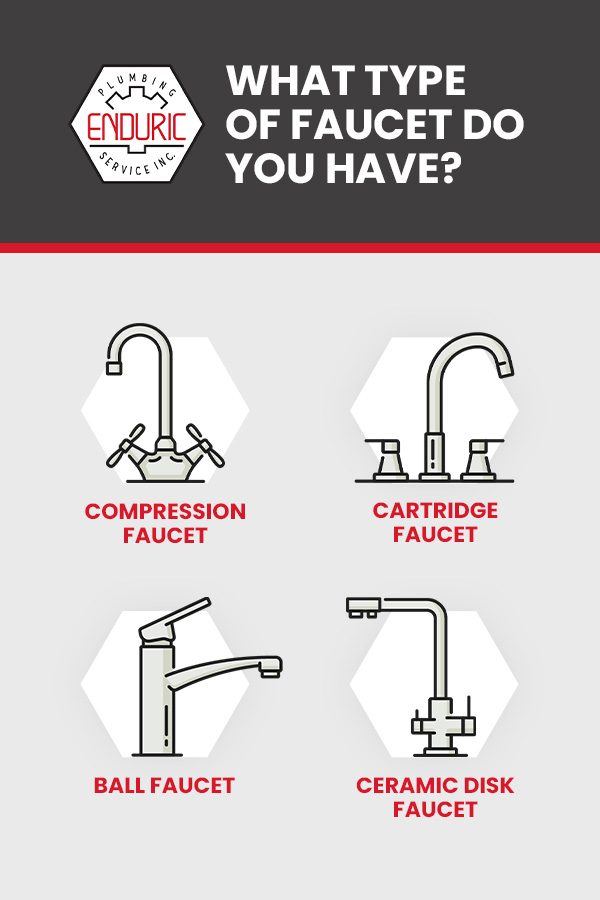
What Type of Faucet Do You Have?
Before you can fix a dripping sink tap, you need to know its type. Faucets fall into four main categories, each with unique parts and repair methods. Take a close look at your leaking sink faucet and compare it with these descriptions:
- Compression faucet: This type features two handles — one for hot and one for cold — that you twist to open or close. It is the oldest faucet style and relies on washers.
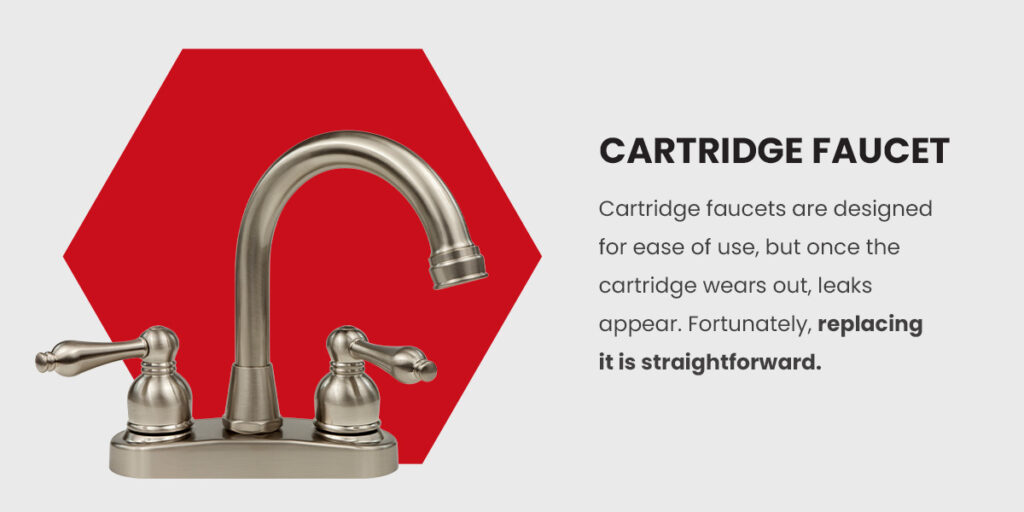
- Cartridge faucet: This faucet comes in single- or double-handle versions and has a smooth turning motion that feels effortless. Inside, a replaceable cartridge controls water flow.
- Ball faucet: Usually found in kitchens, this type has a single handle that rotates over a rounded, ball-shaped cap. Several small parts inside can wear out.
- Ceramic disk faucet: This faucet has a wide, cylindrical body with a single lever handle. It uses ceramic disks and neoprene seals, which are very durable.
How to Repair a Leaking Compression Faucet
Compression faucets use rubber washers to stop water flow. Over time, these washers wear down, leading to drips. Here’s how to replace them:
- Pry off the decorative cap on the handle and remove the handle screw. Lift the handle off.
- Use an adjustable wrench to loosen and remove the packing nut. Slide out the stem beneath it.
- Replace the old seat washer at the base of the stem and the O-ring with new hardware.
- Reassemble the step, tighten the packing nut and reattach the handle. Turn the water supply back on and check for leaks.
Fixing a dripping faucet of this type is one of the simplest DIY plumbing tasks and often delivers instant results.
How to Fix a Leaky Cartridge Faucet
Cartridge faucets are designed for ease of use, but once the cartridge wears out, leaks appear. Fortunately, replacing it is straightforward:
- Remove the handle and decorative cap. Depending on your faucet model, you may need to use a small Allen wrench to loosen a setscrew on the side of the handle. Once the setscrew is loose, you should be able to pull the handle off. Some faucets also have a decorative cap to remove to access the handle screw.
- After removing the handle, you’ll typically find a retaining clip or nut that holds the cartridge in place. Use pliers to carefully remove the retaining clip or loosen the nut.
- Once the retaining clip or nut is removed, you should be able to pull the old cartridge straight out. You might need to wiggle it gently to loosen it.
- Align the new cartridge with the faucet body and gently push it in until it is fully seated. Make sure it’s oriented correctly.
- Replace the retaining clip or nut, reattach the handle and tighten any setscrews. Turn on the water supply slowly and check for leaks.
How to Fix a Ball-Type Faucet
Leaks in ball faucets often stem from worn-out internal parts, which can be replaced with a repair kit. Here’s how to fix a ball-type faucet:
- To remove the handle and access the faucet cap, you’ll typically need to loosen a small setscrew on the side of the handle.
- Loosen the cap and lift out the cam, washer and ball. Use an adjustable wrench to carefully loosen the faucet cap. Once loose, you can lift out the cam, the washer and the ball itself.
- Beneath the ball, you’ll find the springs and inlet seals. Use needle-nose pliers to remove the old ones and install the new ones from the repair kit.
- Put the ball, cam and cap back in place, tighten the cap and reattach the handle. Turn on the water supply and check for leaks.
How to Repair a Ceramic Disk Faucet
Ceramic disk faucets are known for their durability, but leaks can occur due to issues with the ceramic disks or neoprene seals.
- Remove the handle and the escutcheon cap. You’ll likely need to loosen a setscrew to remove the handle. After removing the handle, you’ll see an escutcheon cap that you must also remove.
- Use an appropriate wrench or pliers to carefully unscrew the cylinder. Once unscrewed, lift it straight up and out.
- Examine the cylinder and you’ll find neoprene seals. Use a small, pointed tool to pry out the old neoprene seals. Clean the cylinder openings to remove any debris or mineral buildup.
- Install the new neoprene seals from the repair kit. Reassemble the faucet components, making sure everything is properly aligned. Turn the water on slowly to prevent cracking the ceramic disk.
When Your Dripping Faucet Needs a Professional Fix
Even with careful DIY efforts, some faucet problems require professional attention. Choosing the right plumber involves assessing their expertise, experience and reputation. Here are signs that the issue is more serious:
- The leak persists after you’ve attempted the repair.
- You notice visible corrosion on the faucet or pipes.
- You experience low water pressure in addition to the leak.
- The faucet continues to drip even when tightly closed.
If you’ve tried these steps and the drip persists, it’s time to call the experts. Contact Enduric Plumbing today for fast and reliable plumbing services!